Looking to take charge of your reproductive health? The best place to start is with the basics: your anatomy. Understanding your body is the first step toward knowing what’s best for you. So, let’s explore the female reproductive system — inside and out — and learn how it works.
Key Takeaways
- The female reproductive system includes internal organs (ovaries, fallopian tubes, uterus, cervix, vagina) and external organs (the vulva).
- The menstrual cycle prepares the body for pregnancy through four phases and typically lasts 21–35 days.
- Hormones regulate ovulation, menstruation, and reproductive health.
- Ovulation is the release of an egg and marks the most fertile time of the cycle.
- Fertilization occurs when sperm meets an egg in the fallopian tube.
- Understanding your anatomy and cycle supports informed reproductive health decisions.
What is the female reproductive system?
The female reproductive system is made up of internal and external organs that play essential roles in fertility, menstruation, sexual activity and overall reproductive health.¹ These organs also help regulate hormones, support conception, and maintain the body’s reproductive functions.
How does the female reproductive system work?
The organs of the female reproductive system work together in a carefully coordinated cycle. Each month, this system produces eggs, releases hormones, and supports reproductive functions related to sexual activity and pregnancy.
Anatomy of the female reproductive system
The anatomy of the female reproductive system is generally divided into two parts: internal and external reproductive organs. Each organ is highly specialized, with specific functions that can influence many aspects of the body — from hormone levels to sexual pleasure. Let’s take a closer look at the internal organs and external genitalia that make up the female reproductive system.
Internal female reproductive system
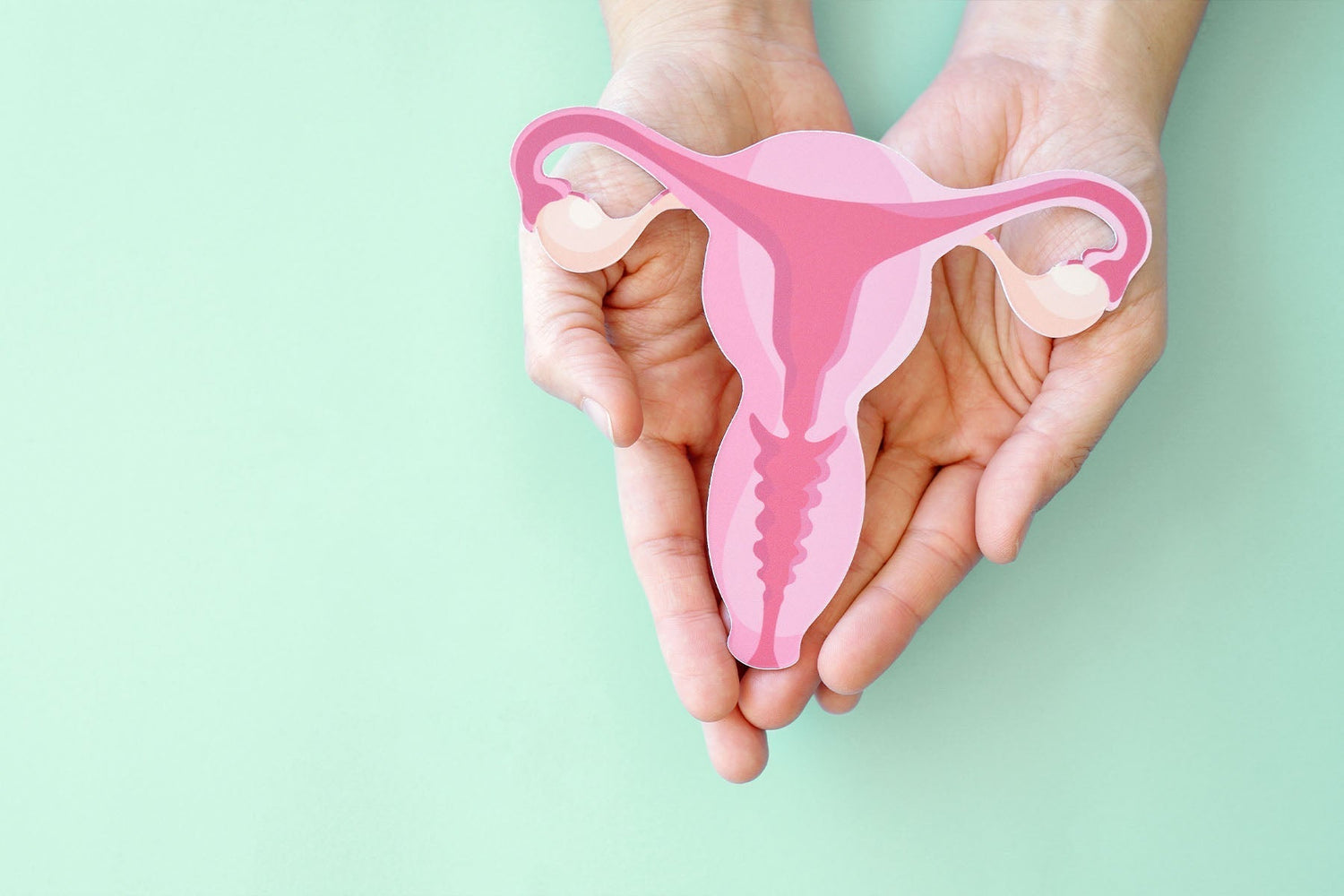
The internal female reproductive system consists of the ovaries, fallopian tubes, uterus, cervix, and vagina, each with a unique role in reproduction and overall health. To help you visualize these organs and understand their functions, the internal female reproductive system diagram below provides a clear breakdown of each part in detail.

1. Ovaries
The ovaries are small, oval-shaped glands located on both sides of the uterus.1 They produce eggs and release female sex hormones such as estrogen and progesterone, which regulate the menstrual cycle and support fertility.
2. Fallopian Tubes
The fallopian tubes connect the ovaries to the uterus and provide the pathway for eggs to travel. Fertilization usually occurs in the fallopian tubes, after which the fertilized egg moves to the uterus for implantation.
3. Uterus
The uterus is a hollow, muscular organ located at the center of the female reproductive system. It has two main parts: the cervix and the corpus. During pregnancy, the corpus expands to accommodate a developing fetus.
4. Cervix
The cervix is the lower part of the uterus. It contains a small opening that allows sperm to enter the uterus and menstrual blood to exit.1 During childbirth, the cervix dilates to let the baby pass through.
5. Vagina
The vagina is a flexible, muscular canal that connects the cervix to the external organs of the female reproductive system. Its mucous membranes help maintain moisture and protect against infection. It can expand or widen, for example during vaginal childbirth.
External female reproductive system
The external organs of the female reproductive system include the mons pubis, labia majora, labia minora, clitoris, urethral opening, vaginal opening (or introitus), and hymen. These external structures are commonly called genitals, and in females, this area is specifically called the vulva.2
It’s important to remember that every vulva is unique, and differences in size, shape, and color are completely normal. The appearance of the labia, vaginal opening, and hymen can vary widely from person to person. With that in mind, let’s take a closer look at each external organ and its role in the reproductive system.

Mons pubis
The mons pubis, also called the pubic mound or mons, is the soft, V-shaped area of fatty tissue that sits above the pubic bone, where the pelvis meets the abdomen.3 During puberty, pubic hair begins to grow in this area.
Labia majora and labia minora
The labia majora, or outer lips, are the folds of skin that protect the inner parts of the vulva. The labia minora, or inner lips, lie inside the outer lips and stretch from the clitoris to the perineum. Labia vary in shape and size and help protect the clitoris and vaginal opening. Both the labia majora and labia minora contain tissue that fills with blood during arousal, making them more sensitive.
Clitoris
The clitoris is considered the primary pleasure center of the female reproductive system, with over 10,000 nerve endings.3 It sits at the top of the vulva just above the urethral opening. Where the two labia minora meet at the top of the vulva forms the clitoral hood, which may cover fully or partially cover the clitoris.
Vaginal Opening (Introitus)
The vaginal opening is the external opening of the vagina. It allows menstrual blood to leave the body, serves as the external opening of the birth canal during childbirth, and provides entry for sexual activity.
Hymen
The hymen is a thin membrane that partially covers the vaginal opening.3 Contrary to popular myths, it can stretch or tear not only during sexual activity but also from tampon use or even physical activity.
The menstrual cycle explained
The menstrual cycle is the monthly process that prepares the body for a possible pregnancy.4 It begins on the first day of your period (menstrual bleeding) and ends the day before your next period starts. On average, a menstrual cycle lasts about 28 days, although it varies from person to person and can range from 21 to 35 days. Menstruation begins at the average age of 12, however it is different for each person and could begin as early as 8 or as late as 16.6
Phases of the menstrual cycle
The menstrual cycle has four main phases: menstrual, follicular, ovulation, and luteal.4 While each phase plays a unique role, they all work together in a continuous cycle that supports reproductive health.
-
Menses phase:
The uterus sheds its lining, along with the unfertilized egg. The shedding is what causes menstrual bleeding, or your period. -
Follicular phase:
Hormones stimulate the ovaries to produce follicles, each containing an immature egg. At the same time, the uterine lining begins to thicken in preparation for a potential pregnancy. -
Ovulation phase:
A surge of hormones triggers the release of a mature egg from the ovary. -
Luteal phase:
After ovulation, the body prepares for pregnancy. If fertilization doesn’t occur, levels of progesterone and estrogen drop, causing the uterine lining to shed – and the cycle starts over.
Hormonal changes
Hormones play a key role in regulating the menstrual cycle. Levels of estrogen, progesterone, luteinizing hormone (LH), and follicle-stimulating hormone (FSH) rise and fall throughout the menstrual cycle, signaling the body when to release an egg, thicken the uterine lining, or start a new cycle. These hormonal changes not only guide fertility but can also affect mood, energy, and overall well-being.

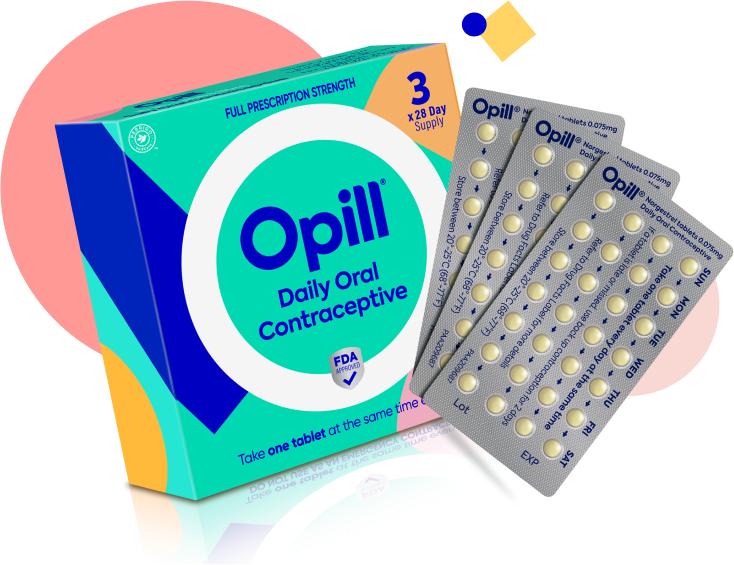
Hormonal birth control methods work by altering hormone levels to prevent ovulation and regulate your menstrual cycle. For example, progestin-only pills (POPs) like Opill® work by thickening cervical mucus and preventing ovulation in some cycles. This is why hormonal birth control can also affect your period.
Ovulation and fertilization
Ovulation and fertilization are the key steps that can lead to pregnancy. During ovulation, an egg is released from the ovary and becomes available for sperm. If a sperm cell meets the egg and joins with it, fertilization can occur. Let’s break down how each part works.
How ovulation works
Ovulation occurs once during each menstrual cycle, typically around the middle of the cycle but it can be difficult to predict.4 Hormonal changes trigger the release of a mature egg from one ovary, which then travels into a fallopian tube. This period is considered the most fertile time of the cycle.4
Fertilization process
Fertilization happens if sperm meets the egg in the fallopian tube and successfully joins with it. Once fertilized, the egg continues into the uterus, where it attaches to the uterine lining and begins developing during pregnancy.4
Get the basics. Take care of your reproductive health.
Now that you understand the basics of the female reproductive system, it’s easier to take care of your reproductive health and talk openly with your healthcare provider. Whether you’re exploring birth control options like Opill® or simply learning more about your body, staying informed helps you make the best choices for your overall reproductive wellness.
[1] Cleveland Clinic. (2022, November 28). Female reproductive system: Structure & function. https://my.clevelandclinic.org/health/articles/9118-female-reproductive-system
[2] American College of Obstetricians & Gynecologists. (2022, January). Female reproductive system: Internal organs and external organs [Infographic]. https://www.acog.org/womens-health/infographics/female-reproductive-system
[3] Cleveland Clinic. (n.d.). Vulva: Location, anatomy, function, conditions & care. https://my.clevelandclinic.org/health/body/vulva
[4] American College of Obstetricians & Gynecologists. (2025, May). The menstrual cycle: Menstruation, ovulation, and how pregnancy occurs [Infographic]. https://www.acog.org/womens-health/infographics/the-menstrual-cycle
[5] Cleveland Clinic. (2022, December 9). Menstrual cycle (normal menstruation): Overview & phases. https://my.clevelandclinic.org/health/articles/10132-menstrual-cycle
[6] Society of Obstetricians and Gynecologists of Canada. Normal Periods. Menstrual Cycle Basics. Menstrual Cycle Basics – Your Period